

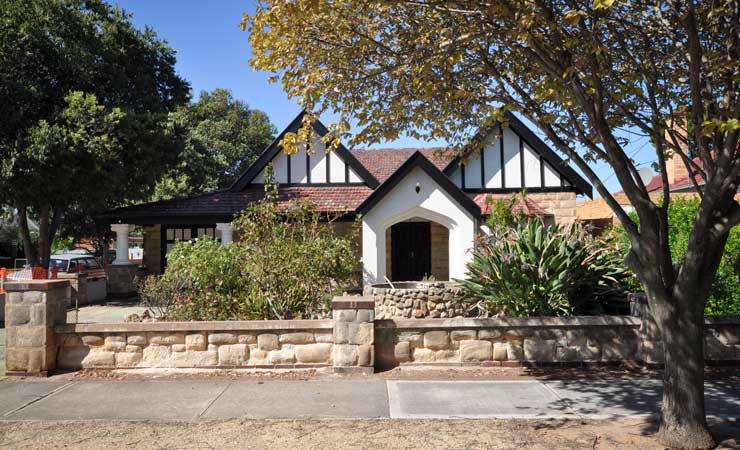
Adelaide is full of beautiful character homes — bluestone villas, sandstone cottages and bungalows with detailing you simply can’t buy new. Renovating one is hugely rewarding, but a heritage home asks for more planning than a standard build. After 25 years working on places exactly like these, here are the seven things we’d sort out before the first wall comes down.
1. Understand what’s actually protected
‘Heritage’ can mean several different things — a State Heritage listing, a Local Heritage listing, or a Historic Conservation Zone overlay in your council’s development plan. Each carries different rules about what you can change, especially to the street-facing frontage. The first job is always to confirm exactly what applies to your property before you fall in love with a design that won’t get approved.
2. Protect the frontage, open up the rear
The pattern that works again and again is to meticulously preserve the original street frontage — the verandah, the roofline, the rendered detailing — while reworking and extending to the rear where it isn’t visible from the street. On a recent Ovingham project we kept the heritage frontage completely intact and added a large modern extension and pool behind it, tying the two together with complementary stonework.
Rule of thumb: the more sympathetic your plans are to the original character, the smoother your council approval tends to be.3. Match materials, don’t just copy them
Old homes were built with materials and techniques that have largely disappeared — lime mortar, solid masonry, ornate cornices and skirtings. A good renovation matches the feel of these without pretending to be original. We’ll often have mouldings and joinery made to match existing profiles so new work reads as part of the home, not a bolt-on.
4. Budget for the things you can’t see
Heritage homes hide surprises: old footings, rising damp, outdated wiring, lead paint, asbestos in mid-century additions. None of it is a reason to walk away, but all of it is a reason to keep a sensible contingency in your budget. We’d rather find and price these things early than have them derail the project halfway through.
Common hidden items we check for
- Footings and structural movement
- Damp and drainage around old masonry
- Wiring, plumbing and switchboard age
- Asbestos and lead paint in later additions
- Roof structure and original timber condition
5. Get the order of works right
Sequencing matters more on a heritage job than almost anything else. Structural and weatherproofing work comes first, then services, then the finishes that make the home shine. Rushing finishes before the bones are sorted is how budgets blow out. A realistic program, agreed up front, keeps everyone calm when the inevitable small surprises appear.
6. Choose trades who’ve done it before
Heritage work rewards experience. Restoring a pressed-metal ceiling, repairing ornate plaster or blending old and new brickwork is specialist work, and the difference between a skilled hand and a generalist shows for the next fifty years. This is exactly where a builder’s network of trusted subcontractors earns its keep.
7. Live with the plan before you commit
Finally — sit with the design. Walk the rooms, think about morning light and winter living, and make the changes on paper while they’re free. We build in regular on-site meetings precisely so you can refine details as the project takes shape, but the big moves are best settled before we start.
Renovating a character home is one of the most satisfying things you can do with a property — done well, it gives you the best of both worlds. If you’ve got a heritage home in Adelaide you’re thinking about, we’d be glad to walk through it with you. Give Peter a call and let’s talk it through.